
Building a Multi-Brand Demo Library Without Losing Consistency
Maintaining brand consistency across multiple product lines or companies can be challenging. As product managers, software engineers, customer success teams, and technical writers create product walkthroughs, they often struggle with maintaining consistency across multiple brands. It’s a common pain point, but a manageable one. In this article, we’ll explore the benefits of building a multi-brand demo library without losing consistency, and how to achieve it. We’ll cover the advantages, how AI can help, best practices, and common challenges, equipping you to create a unified and effective content strategy.
The Benefits of a Multi-Brand Demo Library
Streamlined Content Creation
A multi-brand demo library dramatically reduces redundant effort. Instead of recreating similar walkthroughs from scratch, teams can leverage existing assets as templates or building blocks. This frees up valuable resources to focus on creating unique and engaging content. Consider a software suite with multiple modules; a centralized approach allows for variations and customizations while maintaining a core foundation.
Enhanced Brand Consistency
Brand consistency extends beyond visual elements to include tone of voice and messaging. A unified demo library enforces this consistency across all brands, strengthening brand perception and reinforcing the value proposition. Disparate demo styles can create confusion and erode trust.
Improved Knowledge Sharing and Collaboration
A centralized demo library becomes a valuable knowledge repository for the entire organization, enabling new team members to quickly onboard and facilitating cross-functional collaboration.
Scalability and Future-Proofing
As a company expands, a multi-brand demo library provides a scalable foundation for content creation, making it easier to adapt to changing market conditions. For more on optimizing video creation, see our guide to choosing the right shape for every channel.
How Demofable’s AI Video Editor Can Help
Automated Editing and Assembly
Demofable‘s AI video editor streamlines the demo creation process by automating tedious tasks like removing filler words and adding transitions. This allows teams to focus on the creative aspects of content creation and ensuring brand alignment. The AI can adapt the editing style to match brand guidelines.
Photo by Quixess Social
Template Creation and Customization
The solution facilitates the creation of reusable templates that ensure consistency in visual style, messaging, and structure. Teams can create a master template and customize it with brand-specific elements. For instance, a company with financial products can create a template for account setup, then customize it for each product.
Centralized Asset Management
Demofable provides a robust asset management system for storing and organizing video clips, images, and other resources, ensuring accessibility and version control. The system also provides insights for optimizing the content strategy.
AI-Powered Redaction and Privacy Protection
Maintaining privacy is crucial when creating demo videos. The platform’s AI-powered redaction capabilities automatically identify and redact personally identifiable information (PII), ensuring compliance with privacy regulations. It’s a feature that’s increasingly vital, as demonstrated in our discussion of why we don’t trust AI redaction alone.
Best Practices for Building a Multi-Brand Demo Library
Establishing a Centralized Style Guide
A meticulously crafted style guide is essential for maintaining visual and narrative consistency across diverse products and target audiences. This encompasses tone of voice, demo pacing, and transitions. A detailed style guide ensures consistency and streamlines the review process.
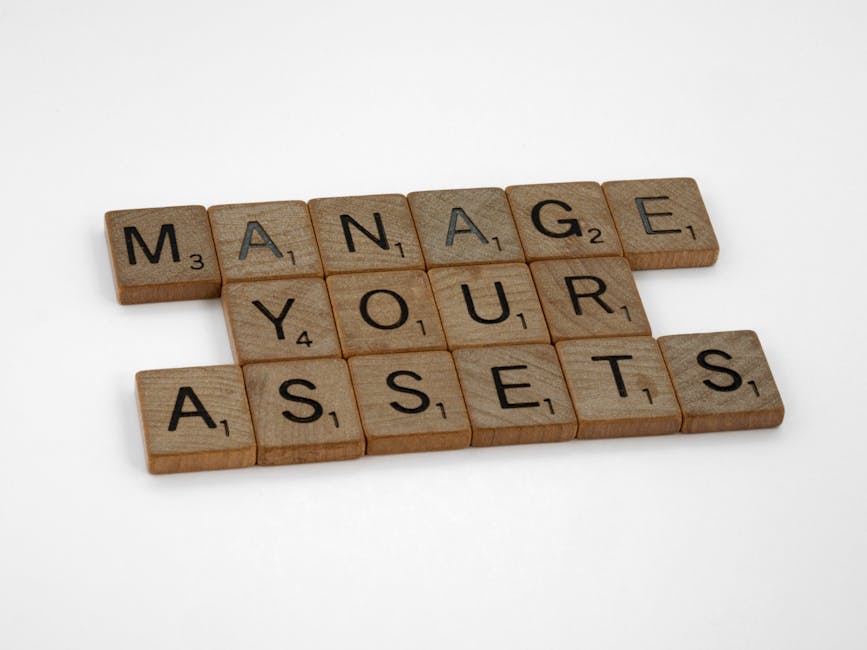
Photo by Brett Jordan on Pexels
Leveraging Modular Content Blocks
To avoid redundant recording and editing, adopt a modular approach to content creation. Break down common workflows into reusable blocks that can be assembled into demos tailored to each brand’s needs. This modularity facilitates updates and ensures accuracy. This builds upon the efficiency explored in our article on one recording, two deliverables.
Data-Driven Optimization & A/B Testing
A demo library should be continuously optimized. Track key metrics such as view duration and completion rate. A/B testing different demo styles can provide valuable insights. Data from 2024 showed that videos with shorter introductions performed 15% better in terms of completion rates.
Overcoming Common Challenges
Navigating Brand-Specific Legal and Compliance Requirements
Working with multiple brands means navigating legal and compliance requirements. A dedicated compliance checklist, reviewed by legal counsel, is essential.
Photo by Quixess Social
Maintaining Consistency Across Distributed Teams
Maintaining consistency across distributed teams requires clear communication channels, standardized templates, and regular training sessions. Consider implementing a peer review process. Many teams find value in revisiting best practices for different channels to ensure cohesive messaging.
Conclusion
Building and maintaining a multi-brand demo library requires a strategic approach centered on consistency, efficiency, and adaptability. A comprehensive style guide, modular content blocks, and data-driven optimization are essential. By embracing these best practices, organizations can transform their demo libraries into a powerful asset that drives engagement, accelerates onboarding, and strengthens brand loyalty. To further refine your content strategy, consider exploring our guide on content calendar planning for demo teams.